

The Ultimate Guide to Glucometers: Types & Uses Explained
Monitoring blood glucose is one of the most essential steps in managing diabetes. A glucometer, also called a blood glucose meter (BGM), is a portable medical device that measures the concentration of glucose in a drop of blood. It enables patients, caregivers, doctors, and diabetes educators to keep track of daily glucose fluctuations and make timely lifestyle or medication adjustments.

This article explains how glucometers work, their types, accuracy, calibration, usage steps, normal glucose ranges, common errors, troubleshooting tips, maintenance, and limitations.
🔍 What Is a Glucometer?
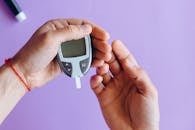
A glucometer is a compact, handheld diagnostic device used to measure capillary blood glucose levels. It uses test strips containing enzymes that react with glucose and generate an electrical signal, which the meter interprets as a numerical glucose value.
Glucometers are widely used in:
- Diabetes management
- Screening for hyperglycemia (high blood sugar)
- Monitoring hypoglycemia (low blood sugar)
- Hospital OPDs, ICUs, and emergency departments
- Clinical research
🧪 Principle / Working of a Glucometer
Modern glucometers work on electrochemical principles.
1. Blood application
A small drop of blood is placed on a disposable test strip.
2. Enzymatic reaction
Most commonly used enzymes:
- Glucose oxidase (GOx)
- Glucose dehydrogenase (GDH-FAD or GDH-PQQ)
These enzymes react with glucose in the blood and produce:
- Hydrogen peroxide (GOx-based)
- OR electrons/mediators (GDH-based)
3. Electrical signal generation
The reaction produces an electrical current proportional to glucose concentration.
4. Signal measurement
The glucometer measures the current and converts it to a digital glucose reading.
5. Display
The final value appears in:
- mg/dL (India, US)
- mmol/L (EU, UK, Australia)
Buy glucometer https://amzn.to/4r2UMUs
🧰 Types of Glucometers
1. Basic/Standard Glucometers
- Most common type
- Use enzyme-coated strips
- Provide results in 5–10 seconds
- Cost-effective and easy to use
2. Continuous Glucose Monitors (CGM)
- Measure glucose in interstitial fluid
- Provide readings every few minutes
- Examples: FreeStyle Libre, Dexcom G6, Medtronic Guardian
- Used in Type 1 diabetes and uncontrolled diabetes
3. Flash Glucose Monitors
- User scans a sensor on arm to get glucose reading
- Less frequent finger pricks needed
4. Smart Glucometers (Bluetooth/Smartphone Connected)
- Sync data to mobile apps
- Provide trends, charts, reminders
5. Hospital-Grade Laboratory Glucose Analyzers
- Not portable
- Used in clinical labs
- High accuracy, reference standard
🩸 Who Should Use a Glucometer?
- Type 1 diabetics
- Type 2 diabetics (especially on insulin or sulfonylureas)
- Pregnant women with gestational diabetes
- Patients on steroids
- People with symptoms of hypoglycemia
- ICU and emergency patients
- Obese individuals with high risk of diabetes
🧭 How to Use a Glucometer (Step-by-Step)
- Wash hands thoroughly and dry completely
- Insert test strip into glucometer
- Use a lancet to prick the fingertip
- Place a small drop of blood at the edge of the strip
- Wait for 5–10 seconds
- Read the glucose value on the screen
- Record the reading (if meter does not store automatically)
📊 Normal Blood Glucose Ranges
Fasting Blood Glucose
| Category | Range (mg/dL) |
|---|---|
| Normal | 70–99 |
| Prediabetes | 100–125 |
| Diabetes | ≥126 |
Postprandial (2 hrs after meal)
| Category | Range (mg/dL) |
|---|---|
| Normal | <140 |
| Prediabetes | 140–199 |
| Diabetes | ≥200 |
Random Blood Glucose
- ≥200 mg/dL with symptoms = Diabetes
🎯 Accuracy of Glucometers
According to ISO 15197:2013 standards:
- For glucose ≥100 mg/dL → 95% of readings must be within ±15% of lab value
- For glucose <100 mg/dL → within ±15 mg/dL
Accuracy varies based on:
- Test strip quality
- User technique
- Hematocrit levels
- Environmental conditions
CGM devices may have a lag due to interstitial fluid measurement.
⚠️ Common Errors in Glucometer Readings
- Using expired test strips
- Insufficient blood sample
- Wet or contaminated hands
- High vitamin C ingestion (affects some strips)
- Dehydration
- Extremely high or low hematocrit
- Improper storage of strips (heat/humidity)
🔧 Troubleshooting Errors
| Problem | Possible Reason | Solution |
|---|---|---|
| “E1” or “Low Sample” | Not enough blood | Apply fresh drop |
| “E2” or “Strip Error” | Damaged strip | Replace strip |
| Unexpected high reading | Dirty hands, infection, missed medication | Recheck after washing hands |
| Meter not turning on | Low battery | Replace batteries |
| Frequent inaccurate readings | Faulty meter | Replace or calibrate |
🧼 Maintenance of Glucometer
- Store strips in original, tightly closed vial
- Keep device away from direct sunlight
- Clean glucometer with soft, dry cloth
- Replace lancet after every use for hygiene
- Perform periodic quality control tests
- Check expiry date of strips
💡 Advantages of Using a Glucometer
- Quick and easy monitoring
- Helps prevent hypoglycemia
- Useful for self-management of diabetes
- Tracks effect of diet, exercise, and medication
- Reduces long-term complications (neuropathy, retinopathy, nephropathy)
🧩 Limitations
- Cannot replace laboratory testing
- Accuracy may vary with hematocrit or environmental factors
- Frequent strip purchase is costly
- Pain from finger pricks (reduces compliance)
- CGMs may lag behind real-time glucose levels
📱 Popular Glucometer Brands in India
- Accu-Chek Active / Instant
- OneTouch Select Plus
- Dr. Morepen Gluco One
- BeatO Smart Glucometer
- Contour Plus Elite
- AccuSure Simply / Gold
📝 Conclusion
A glucometer is an indispensable tool for diabetes management, allowing patients to monitor glucose levels anytime, anywhere. Understanding how it works, how to use it properly, and how to maintain it ensures accurate, reliable readings and better overall glycemic control.
For more regular updates you can visit our social media accounts,
Instagram: Follow us
Facebook: Follow us
WhatsApp: Join us
Telegram: Join us