


Introduction
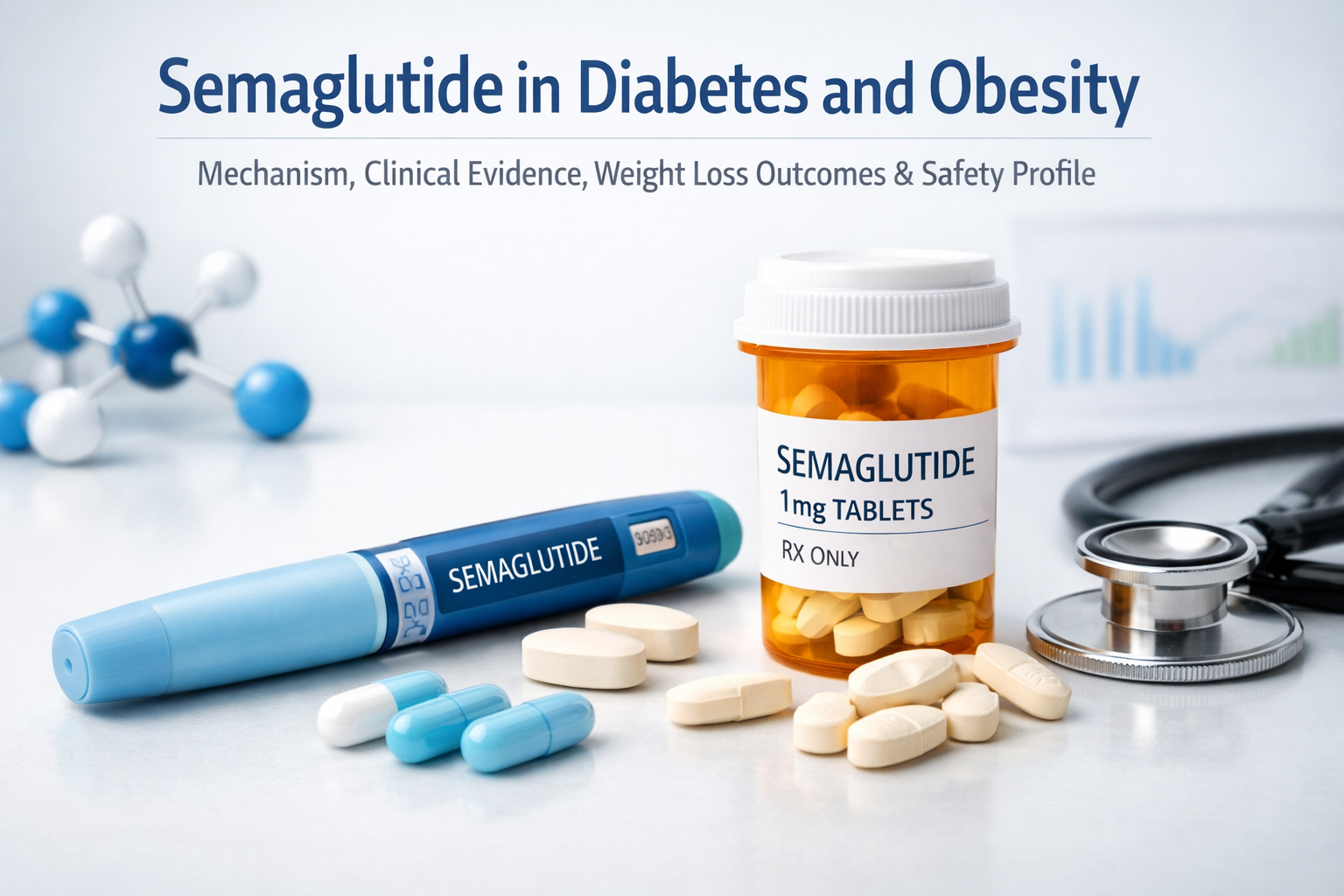
Semaglutide is one of the most important advancements in modern metabolic medicine. It is widely prescribed for type 2 diabetes management, chronic weight loss, and cardiovascular risk reduction. Because of its powerful effects on appetite regulation and blood sugar control, semaglutide has gained global attention in recent years.
Manufactured by Novo Nordisk and approved for various indications by the U.S. Food and Drug Administration, semaglutide represents a new era in GLP-1–based therapy.
This article covers everything you need to know about semaglutide uses, dosage, mechanism of action, clinical benefits, side effects, safety warnings, and long-term considerations.
What Is Semaglutide?
Semaglutide is a GLP-1 receptor agonist (glucagon-like peptide-1 receptor agonist). It mimics a natural hormone in the body that regulates:
- Blood sugar levels
- Insulin secretion
- Appetite and satiety
- Gastric emptying
- Energy balance
It is available in:
- Once-weekly injectable form
- Once-daily oral tablet form
The same molecule is marketed under different brand names depending on its approved use (diabetes or weight management).
How Semaglutide Works (Mechanism of Action)
Semaglutide works through multiple metabolic pathways:
1. Enhances Glucose-Dependent Insulin Secretion
It stimulates the pancreas to release insulin only when blood sugar levels are elevated, reducing the risk of hypoglycemia compared to some older diabetes medications.
2. Suppresses Glucagon
It reduces glucagon secretion from the pancreas. Since glucagon signals the liver to release stored glucose, suppressing it lowers fasting blood sugar levels.
3. Slows Gastric Emptying
Food leaves the stomach more slowly, which:
- Reduces post-meal glucose spikes
- Increases fullness
- Decreases calorie intake
4. Acts on Brain Appetite Centers
Semaglutide influences hypothalamic pathways to:
- Reduce hunger signals
- Decrease cravings
- Promote portion control
This central appetite suppression is a major reason for its strong weight-loss effects.
FDA-Approved Uses of Semaglutide
1. Type 2 Diabetes Mellitus
Semaglutide is prescribed to:
- Lower HbA1c levels
- Improve fasting glucose
- Reduce postprandial glucose spikes
- Support weight reduction in diabetic patients
It is often added when metformin or other oral agents fail to achieve adequate glycemic control.
2. Chronic Weight Management (Obesity Treatment)
Semaglutide is approved for adults who:
- Have a BMI ≥ 30 (obesity), OR
- Have a BMI ≥ 27 with weight-related conditions such as:
- Hypertension
- Dyslipidemia
- Type 2 diabetes
When combined with diet and exercise, it produces substantial and sustained weight loss.
3. Cardiovascular Risk Reduction
Clinical trials show that semaglutide reduces the risk of:
- Heart attack
- Stroke
- Cardiovascular death
in high-risk patients with type 2 diabetes.
Clinical Trial Evidence
Large clinical programs (STEP and SUSTAIN trials) demonstrated:
- Significant reduction in HbA1c (up to ~1.5–2%)
- Average weight loss of 10–15% (in obesity doses)
- Improved blood pressure and lipid parameters
- Reduced major adverse cardiovascular events
These results positioned semaglutide as one of the most effective non-surgical obesity treatments currently available.
Semaglutide Dosage and Administration
Injectable Form (Weekly)
Typical dose escalation schedule:
- Start low dose for 4 weeks
- Gradually increase every 4 weeks
- Maintenance dose depends on indication
Injection sites:
- Abdomen
- Thigh
- Upper arm
Rotation of injection site is recommended.
Oral Form (Daily)
- Taken once daily
- Must be taken on an empty stomach
- Swallowed with plain water only
- No food or drink for at least 30 minutes
Strict adherence improves absorption.
Benefits of Semaglutide
✔ Powerful Blood Sugar Reduction
Lowers HbA1c and improves glycemic variability.
✔ Significant Weight Loss
Helps patients lose 10–15% of body weight on average when combined with lifestyle intervention.
✔ Appetite Control
Reduces cravings and emotional eating behaviors.
✔ Cardiovascular Protection
Reduces risk of heart attack and stroke in eligible patients.
✔ Once-Weekly Convenience
Improves medication adherence compared to daily injections.
Common Side Effects of Semaglutide
Most side effects are gastrointestinal and dose-dependent.
- Nausea
- Vomiting
- Diarrhea
- Constipation
- Abdominal discomfort
- Decreased appetite
- Fatigue
These are usually temporary and improve over time.
Serious Side Effects
Although rare, serious risks include:
- Pancreatitis
- Gallbladder disease
- Acute kidney injury (secondary to dehydration)
- Diabetic retinopathy complications
- Severe allergic reactions
Patients should seek immediate medical attention if experiencing severe abdominal pain or persistent vomiting.
Boxed Warning: Thyroid Tumor Risk
Semaglutide carries a warning regarding possible risk of thyroid C-cell tumors observed in animal studies.
It should not be used in individuals with:
- Personal or family history of medullary thyroid carcinoma
- Multiple endocrine neoplasia syndrome type 2 (MEN2)
Who Should Avoid Semaglutide?
Avoid or use cautiously in:
- Pregnancy or planning pregnancy
- Severe gastrointestinal disease
- History of pancreatitis
- Advanced diabetic retinopathy (monitor closely)
Medical supervision is mandatory.
Long-Term Use and Sustainability
Semaglutide is designed for chronic therapy. Discontinuation may result in:
- Weight regain
- Worsening glycemic control
Long-term success depends on sustained lifestyle modifications.
Lifestyle Tips to Maximize Results
For best outcomes:
- Follow a high-protein, fiber-rich diet
- Engage in resistance and aerobic exercise
- Stay hydrated
- Monitor blood glucose regularly (if diabetic)
- Maintain consistent dosing schedule
Medication alone is not sufficient for optimal metabolic transformation.
Frequently Asked Questions (SEO Optimized)
How much weight can you lose on semaglutide?
Clinical trials show average weight loss between 10–15% of body weight over 1 year, depending on dose and adherence.
How fast does semaglutide work?
Blood sugar improvements may begin within weeks. Significant weight loss typically becomes noticeable after 8–12 weeks.
Is semaglutide safe long term?
When prescribed and monitored appropriately, it is approved for long-term use.
Does semaglutide cause hypoglycemia?
It has low risk when used alone but risk increases when combined with insulin or sulfonylureas.
Final Summary
Semaglutide is a breakthrough therapy in metabolic medicine. By targeting appetite regulation, insulin secretion, and glucose control simultaneously, it offers powerful benefits for individuals with type 2 diabetes and obesity. With proper medical supervision and lifestyle modification, it provides sustainable improvements in metabolic health and cardiovascular risk.
Medical Disclaimer
This article is for educational purposes only and does not replace professional medical advice. Always consult a qualified healthcare provider before starting or stopping any medication.
For more regular updates you can visit our social media accounts,
Instagram: Follow us
Facebook: Follow us
WhatsApp: Join us
Telegram: Join us